Tulsa, OK · Tulsa County
Ceiling Mold Removal in Tulsa, OKBasement Mold Cleanup & Post-Flood Mold Remediation
Ceiling Mold Removal in Tulsa covers crawl space mold abatement, attic mold removal and bathroom mold cleanup.
Answered 24/7
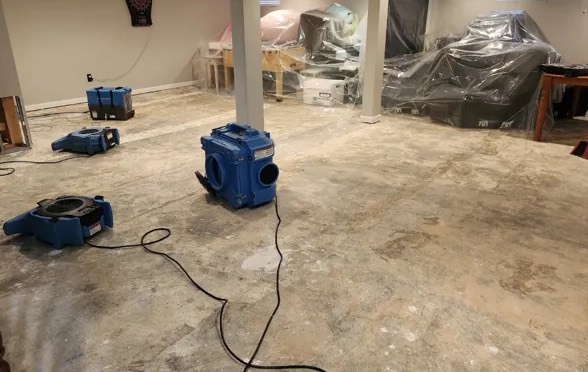
Mold Cleanup After Water Damage in Tulsa
In Tulsa, mold problems often follow a roof leak, plumbing leak or flood that was not fully dried. Finding that old water damage is the first step.
Mold problems in Tulsa homes range from a moldy bathroom ceiling to mold behind walls after a flood. Local mold removal experts handle both, along with properties in Turley, Sand Springs and Oakhurst.
Ceiling Mold Removal Offered in Tulsa
Basement Mold Cleanup
Mold on basement walls, joists and stored boxes usually means a moisture problem that has gone on for months. Affected materials are removed and the area is dried and cleaned.
Post-Flood Mold Remediation
Fast drying helps prevent mold after a flood. Where mold has already started, the pros remove it before the walls are closed up again.
Air Duct Mold Cleaning
Mold in ducts usually starts near the air handler where condensation collects. Affected sections are cleaned or replaced, and the moisture source is identified.
Mold Odor Elimination
If a musty smell lingers after cleanup, the pros look for remaining moisture or mold in walls, carpet or ducts rather than masking it.
Crawl Space Mold Abatement
Crawl space mold grows on floor joists and subfloor when the space stays damp. The pros clean or treat the wood and point out the moisture source, such as vents or plumbing leaks.
When to Call for Mold Inspection in Tulsa
Peeling Paint or Bubbling Drywall
Paint that bubbles or peels and drywall that feels soft point to moisture inside the wall, which mold needs to grow.
Visible Mold on Walls or Ceilings
Black, green or gray spots on drywall, ceilings or trim are visible mold. Larger patches usually mean more is hidden behind the surface.
Mold Around Air Vents
Dark spots around supply vents or a musty smell when the air turns on can point to mold in ducts or the air handler.
Stains or Discoloration
Yellow or brown stains on ceilings and walls show where water has been. Mold often grows in the same spot or just behind it.
How Ceiling Mold Removal Works in Tulsa
Step 1: Mold Inspection and Moisture Check
The pros look for visible mold and use moisture meters to find wet areas, including inside walls and under floors.
Step 2: Containment of the Moldy Area
Plastic sheeting and negative air machines keep spores inside the work area while mold is removed.
Step 3: Removal of Damaged Materials
Moldy drywall, insulation and carpet are bagged and removed. Framing behind them is exposed for cleaning.
Step 4: Cleaning and HEPA Vacuuming
Framing and hard surfaces are cleaned and HEPA vacuumed to remove mold and settled spores.
Step 5: Drying and Final Check
The area is dried with dehumidifiers until moisture readings are normal, then checked before rebuilding.
Sources of Moisture Behind Mold
Overflowing Gutters
Gutters that overflow dump water next to the foundation, where it can seep into crawl spaces and lower walls.
Appliance Leaks
Leaking dishwashers, washing machines and refrigerator water lines soak floors and cabinets, often out of sight.
Roof Leaks
Rain getting through damaged shingles or flashing wets attic insulation and sheathing, and mold often follows on the roof deck and framing.
Window and Door Leaks
Failed seals around windows and doors let rain into the wall cavity, where mold grows on framing and the back of the drywall.
Ceiling Mold Removal for Every Property Type
Residential Ceiling Mold Removal
In homes, mold usually starts in bathrooms, under sinks, in attics or behind walls after a leak. The pros remove the affected materials and dry the area.
Commercial Ceiling Mold Removal
In offices and stores, mold often follows roof leaks or HVAC problems. Work can be planned in sections to keep the rest of the building open.
Ceiling Mold Removal vs. DIY: When to Call Local Experts
Painting over mold hides it but does not stop it. If mold is under paint or wallpaper, it needs to be removed along with the material it grew on.
Mold Removal Cost Factors
Mold after a flood often costs more to remove because large sections of drywall, flooring and insulation are affected.
Size of the Moldy Area
A small patch in one room takes far less time, containment and disposal than mold spread across several rooms or a whole attic.
Location of the Mold
Mold in attics, crawl spaces and inside walls is harder to reach and usually needs more labor than mold on an open wall.
Rebuilding After Removal
Replacing drywall, insulation and flooring after mold removal is often priced separately from the remediation itself.
Does Insurance Cover Ceiling Mold Removal?
Some policies have a separate mold limit. Ask your insurer what applies before work starts and keep photos of the damage.
Benefits of Local Mold Removal in Tulsa
Moisture Meters and Thermal Cameras
These tools show wet areas inside walls and under floors, which is where hidden mold usually grows.
Clear Scope Before Work Starts
An inspection sets out what will be removed, cleaned and dried before any work begins, so there are no surprises.
HEPA Filtration
Air scrubbers and HEPA vacuums capture spores and dust during removal, which household vacuums cannot do.
Urgent Ceiling Mold Removal in Tulsa
After water damage in Tulsa, drying helps stop mold before it starts. Call (918) 496-6447 any hour to talk through the next steps.
Call Now (918) 496-6447Ceiling Mold Removal Throughout Tulsa
Homes and businesses in Turley, Sand Springs and Oakhurst can get the same inspection, containment and removal as properties in Tulsa.
Common Mold Removal Questions Answered
How do I know if I have mold?
Visible spots, a musty smell, past water damage and stains on walls or ceilings are the most common signs. An inspection can confirm it.
Does bleach kill mold on drywall?
Bleach can lighten surface mold but does not fix mold in drywall or wood. The moisture remains, and porous materials with mold usually need removal.
Do I need mold testing?
Not always. If mold is visible, testing often adds little. It can help when mold is suspected but cannot be seen.
Is mold in the attic a serious problem?
It can damage roof sheathing and framing over time and usually points to a roof leak or poor ventilation that should be fixed.
Will mold come back after remediation?
It can if the moisture source is not fixed. Finding and stopping the leak or humidity problem is part of the job.