Tulsa, OK · Tulsa County
Structural Mold Removal in Tulsa, OKStructural Wood Mold Treatment & Subfloor Mold Remediation
Structural Mold Removal for Tulsa properties includes structural wood mold treatment, post-remediation structural drying, and HVAC duct mold cleaning.
Answered 24/7
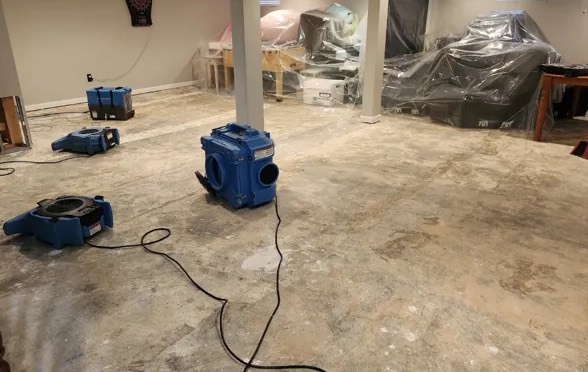
Local Structural Mold Removal for Tulsa Homes
In Tulsa, mold that has grown deep into walls or floors becomes a structural repair. Delaying action can escalate repair complexity and cost.
In Tulsa and nearby communities like Turley, Sand Springs and Oakhurst, moldy drywall and ducts must be removed or cleaned. Local structural damage restoration pros handle these tasks. The pros in Tulsa remove only what cannot be saved and clean or restore the rest whenever practical.
Structural Mold Removal Services in Tulsa
Structural Wood Mold Treatment
For homes in Tulsa with mold on framing, the wood is cleaned and treated. The pros use specialized cleaners and drying techniques to salvage the wood whenever possible, avoiding costly full replacement.
Subfloor Mold Remediation
Mold remediation for subfloors requires accessing a confined, often damp space. The process includes moisture mapping, controlled demolition, antimicrobial treatment, and structural drying to create a stable base for new flooring.
Post-Remediation Structural Drying
Drying after remediation keeps mold from returning. The pros set up targeted drying systems to eliminate residual moisture.
Emergency Mold Containment Setup
For 24/7 mold emergencies in Tulsa, containment goes up first. The pros isolate the damage before any restoration starts.
HVAC Duct Mold Cleaning
Dark, damp ductwork is a common place for mold. Cleaning uses tools that reach deep into the system and remove mold without blowing it into the living space.
Symptoms Requiring Structural Mold Removal in Tulsa
Visible Mold Patches on Walls
Dark spots or fuzzy mold on drywall or wood surfaces indicate active mold damage behind the surface.
Musty Odors in Specific Rooms
A persistent earthy smell often signals hidden mold growth within walls, floors, or HVAC systems.
Flooring That Feels Spongy
Soft spots underfoot on laminate, tile, or wood floors often point to subfloor mold damage.
Recent Water Damage Stains
Discolored ceilings or walls from past leaks can create the perfect environment for mold.
How Structural Mold Removal Works in Tulsa
Step 1: Emergency Response and Evaluation
Upon quick action, the specialists assess the scope of structural damage and plan the mold damage restoration process.
Step 2: Active Mold Growth Removal
Pros physically remove all visible mold colonies and the porous materials they grow on, such as during mold contaminated insulation removal.
Step 3: Antimicrobial Application and Treatment
After removal, approved antimicrobials are applied to remaining structural surfaces to inhibit any residual mold spores from reactivating.
Step 4: Air Quality Clearance Testing
Air samples may be taken afterward to confirm spore counts are safe.
Common Causes of Mold Structural Damage
Roof Leaks Into Attics
Water intrusion from damaged shingles or flashing soaks insulation and wood, creating ideal mold growth conditions.
Chronic Plumbing Leaks
Slow drips inside walls or under floors provide constant moisture, leading to extensive structural mold damage over time.
Appliance Overflow Incidents
Washing machine, dishwasher, or water heater failures can flood floors and walls, starting rapid mold growth.
Foundation Water Seepage
Groundwater or poor drainage can wet subfloors and support posts, causing mold in crawl spaces and basements.
Structural Mold Removal for All Property Types in Tulsa
Residential Structural Mold Removal
Household mold damage restoration frequently starts in bathrooms, kitchens, and basements where moisture is common. The pros treat the subfloor and remove the mold at its source.
Commercial Structural Mold Removal
For schools or medical facilities, strict protocols govern mold remediation. Pros remove black mold and repair the structure to keep occupants safe and meet code.
DIY Mold Removal vs. Professional Structural Mold Removal in Tulsa
If a musty smell suggests hidden mold, a homeowner can avoid the area and limit airflow by closing doors to contain spores temporarily. For safe black mold removal, schedule professional testing to find the full extent of the damage.
Factors in Structural Mold Removal Pricing for Tulsa
For mold structural damage restoration, the main cost drivers are the extent of structural compromise and the type of surfaces requiring treatment, such as wood beams or subflooring.
Access Challenges
Hard-to-reach areas like ducts or closed subfloors take more time and tools to clean.
Demolition Scope
Removing mold damaged flooring or contaminated insulation increases debris disposal costs and replacement material expenses.
Testing and Verification
Post-remediation mold testing to confirm clearance adds a final step and associated lab analysis fees.
Does Insurance Cover Structural Mold Removal?
Insurance coverage for structural mold removal often depends on the source of the moisture. The pros document all damage with photos and moisture readings for a homeowner's claim submission. The final coverage decision rests solely with the insurance adjuster; homeowners should always confirm specifics directly with their provider.
Benefits of Local Structural Damage Restoration Pros for Structural Mold Removal
Detailed Damage Documentation
Pros document all affected areas with photos and moisture data, which can assist in your insurance claim process.
Comprehensive Mold Removal
The process addresses both visible mold and hidden spores in materials like drywall, insulation, and subfloors.
Structural Damage Focus
The work prioritizes assessing and addressing compromised load-bearing elements and building materials, not just surface mold cleanup.
24/7 Emergency Mold Structural Restoration in Tulsa
When mold from water damage compromises your home's framework, urgent action is needed. Reach the specialists at (918) 496-6447 day or night to start containment.
Call Now (918) 496-6447Structural Mold Removal Coverage in and Around Tulsa
Structural damage from mold requires specialized restoration, available in Tulsa. It includes subfloor treatment and duct cleaning in Tulsa and nearby Turley, Sand Springs and Oakhurst.
Structural Mold Removal Common Questions Answered
How is mold contaminated insulation removal performed?
Affected insulation is carefully bagged and removed, the cavity is cleaned and treated, and new insulation is installed only after the area passes mold inspection and is fully dry.
What does subfloor mold remediation entail?
It involves accessing the subfloor, assessing damage, removing moldy sections, treating adjacent joists, and installing new subfloor material after structural drying is confirmed.
How does black mold removal differ from regular mold cleanup?
Black mold, or Stachybotrys, often indicates prolonged moisture and may require more stringent containment and removal protocols due to potential health concerns, but the structural repair steps are similar.
Does mold testing happen before and after restoration?
Pre-testing can identify spore types and levels. Testing after remediation is standard to confirm cleanup and drying worked.
Is mold damaged flooring removal part of structural repair?
Yes, moldy wood or laminate flooring is often removed to reach and treat the subfloor.