Trusted by 150+ Homeowners
What Is Biohazard Cleanup And When Is It Needed?
- Over 150 5-Star Reviews
- Free Estimates and Quotes
- 100% Satisfaction Guaranteed
- Child, Family & Pet Safe Steps
- 24-Hour Emergency Service
- Fully Licensed & Insured

Biohazard cleanup involves safely removing and decontaminating areas exposed to biological substances. These substances can include blood, bodily fluids, or other potentially infectious materials.
It is needed when a property has been contaminated by these materials, posing serious health risks if not handled by trained professionals.
TL;DR:
- Biohazard cleanup is the professional removal and sanitization of dangerous biological materials.
- It’s crucial after events like unattended deaths, severe accidents, or sewage backups.
- DIY cleanup is extremely dangerous due to severe health risks and requires specialized gear.
- Professionals use specific equipment and follow strict protocols for safety and effectiveness.
- Insurance coverage for biohazard cleanup can vary, so checking your policy is important.
What Is Biohazard Cleanup and When Is It Needed?
So, what exactly is biohazard cleanup? It’s the specialized process of identifying, removing, and properly disposing of biological contaminants. These aren’t just spills; they are materials that can spread disease and infection. Think blood, bodily fluids, or even animal waste. This type of cleanup goes far beyond what a typical cleaning service can handle. They have the training and equipment to deal with truly hazardous situations.
Understanding Biohazards
A biohazard is any biological material that presents a threat to the health of living organisms. This includes bacteria, viruses, and other microorganisms. It also extends to bodily fluids like blood, urine, and feces. Exposure to these materials can lead to a range of illnesses, from mild infections to life-threatening diseases. That’s why handling them requires a very specific approach.
Common Scenarios Requiring Biohazard Cleanup
Several situations can create a need for professional biohazard remediation. These often involve trauma or unsanitary conditions. We’ve seen it all, from accidents to unattended deaths. Sewage backups are another common trigger. These events can leave behind dangerous pathogens. It’s crucial to address them quickly to prevent further contamination and health issues.
The Need for Professional Intervention
You might wonder if you can handle a biohazard situation yourself. The short answer is: it’s extremely risky. Attempting to clean up biohazards without the proper training and equipment can expose you and others to serious health risks. Professionals are trained to handle these situations safely. They understand the protocols needed to ensure complete decontamination.
When to Call the Pros
If you encounter a situation involving significant amounts of blood, bodily fluids, or sewage contamination, it’s time to call for help. Other scenarios include hoarding situations with accumulated waste, or crime scenes. In these cases, don’t hesitate. You need to call a professional right away to ensure the area is safe.
The Dangers of DIY Biohazard Cleanup
Let’s be clear: cleaning up a biohazard yourself is a bad idea. It’s not like cleaning up a spilled drink. The risks are substantial. You are likely to encounter pathogens that can cause severe illness. Without the right gear, you’re putting yourself in harm’s way. We found that many people underestimate the danger.
Exposure Risks You Can’t See
Many biohazards are invisible to the naked eye. This makes it hard to know if you’ve truly cleaned the area. Bacteria and viruses can linger on surfaces long after they appear clean. This can lead to cross-contamination of other areas. The health risks from sewage contamination alone are considerable. Think about the potential for long-term health problems.
What Are the Specific Risks?
The risks are numerous. You could contract infectious diseases like Hepatitis or HIV from bloodborne pathogens. Bacterial infections from contaminated water are also a concern. Beyond immediate illness, there’s the risk of ongoing exposure if the cleanup isn’t thorough. That’s why understanding what risks exist when cleaning up a biohazard area yourself is so important. It’s about protecting your immediate and long-term health.
How Professionals Tackle Biohazard Scenes
Professional biohazard cleanup teams are trained extensively. They follow strict safety protocols. Their goal is to make the scene safe and habitable again. They work methodically to ensure no contamination is left behind. This process is about more than just cleaning; it’s about restoring safety.
The Professional Approach to Safety
Professionals use specialized personal protective equipment (PPE). This gear creates a barrier between them and the biohazards. They also use specific cleaning agents and equipment. These are designed to neutralize pathogens and remove all traces of contamination. This is why what PPE is required for biohazard cleanup is a critical part of their training.
Containment and Decontamination
A key part of their work is containment. They isolate the affected area to prevent the spread of contaminants. Then, they begin the meticulous process of cleaning and disinfecting. This involves multiple steps to ensure thoroughness. They also handle the proper disposal of all contaminated materials. This is a critical step in preventing further spread.
Specialized Equipment and Techniques
Biohazard cleanup teams have access to advanced tools. These tools are not found in a typical household cleaning kit. They use industrial-grade disinfectants and specialized vacuums. They also employ containment systems to manage airborne particles. Knowing what equipment do biohazard cleanup teams use highlights the difference between professional and DIY efforts.
Ensuring a Safe Environment
The ultimate goal is to return the property to a safe condition. This involves not just visible cleaning but also microbial decontamination. Professionals use testing to confirm that the area is free of hazardous biological agents. They follow established guidelines to ensure their work meets the highest standards for safety.
Biohazard Cleanup and Your Insurance
Dealing with a biohazard situation is stressful enough. You may also be wondering about the cost. Many people ask about insurance coverage. It’s not always a straightforward answer. Policies vary widely. It’s wise to understand what your policy might cover.
Navigating Insurance Documentation
Your homeowner’s insurance policy might cover some aspects of biohazard cleanup. However, it often depends on the cause of the contamination. For example, if a fire or storm caused the damage, coverage might be more likely. If the situation arose from neglect, it might not be covered. Reviewing your insurance documentation after damage is a necessary step. Many experts recommend contacting your insurance agent early.
What to Ask Your Insurer
When you speak with your insurance provider, be prepared to ask specific questions. Inquire about biohazard cleanup coverage. Ask about any deductibles that apply. Understanding your policy details upfront can prevent surprises later. It’s also good to know that some policies may have specific exclusions for certain types of biohazards. This is why checking coverage questions after property damage is essential.
The Professional’s Role in Home Biohazard Remediation
When a biohazard incident occurs in a home, it’s an overwhelming experience. Professional remediation services are designed to alleviate that burden. They provide expertise and a steady hand in a chaotic time. Their presence means the job will be done correctly and safely. They understand how professionals handle biohazard scenes in homes, bringing order and safety back.
Restoring Peace of Mind
Beyond the physical cleanup, professionals help restore peace of mind. They handle the difficult aspects so you don’t have to. This allows you to focus on healing and recovery. They work discreetly and efficiently. Their primary focus is always on safety and thoroughness.
Why Professional Help is Non-Negotiable
The decision to hire professionals is about more than just convenience. It’s about ensuring the health and safety of everyone involved. The potential for long-term health issues from improper cleanup is too great. Professional biohazard remediation is an investment in a safe living environment. It’s about avoiding the serious health risks from sewage contamination and other biohazards. They ensure that cleaning contaminated water safely is handled by experts. They also know what equipment do biohazard cleanup teams use for effective results. And they are trained on what PPE is required for biohazard cleanup to protect themselves and others.
Conclusion
Biohazard cleanup is a critical service for restoring safety after events involving biological contaminants. It’s a job that requires specialized knowledge, equipment, and strict adherence to safety protocols. Attempting such cleanup yourself can lead to severe health risks. When faced with a biohazard situation, your best course of action is to contact trained professionals. Tulsa Damage Restore Pros understands the urgency and sensitivity required in these situations. We are committed to providing thorough and safe biohazard remediation services to help you recover and regain a healthy environment.
What is the main goal of biohazard cleanup?
The main goal is to safely remove and decontaminate all hazardous biological materials. This ensures the property is free from infectious agents and poses no further health risks to occupants.
Can I just spray bleach on a biohazard?
No, simply spraying bleach is not enough. Biohazards often require specific disinfectants and cleaning protocols. Bleach can sometimes even react negatively with certain biological materials. Professional cleaning goes much deeper than surface disinfection.
How long does biohazard cleanup take?
The duration varies greatly depending on the extent of contamination. Small incidents might take a few hours, while large-scale contamination can take several days. Professionals assess the situation to provide an estimated timeline.
What happens to the waste removed during biohazard cleanup?
All contaminated materials are treated as medical waste. They are carefully bagged, sealed, and transported by licensed professionals to an approved hazardous waste disposal facility.
Is biohazard cleanup a dangerous job?
Yes, it can be very dangerous if not performed correctly. Professionals wear extensive protective gear and follow strict safety procedures to minimize risks to themselves and prevent spreading contamination.
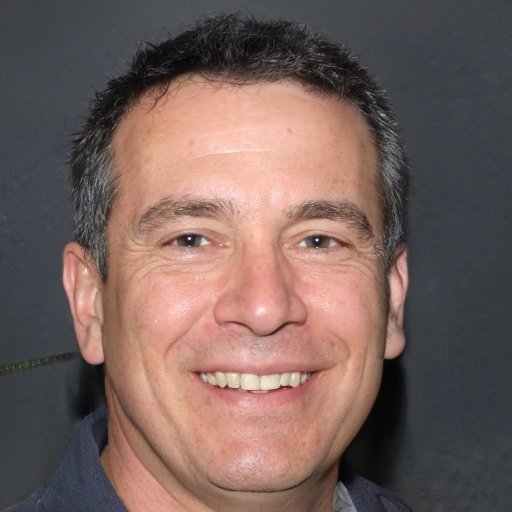
Dustin Conne is a highly respected industry veteran with over 20 years of hands-on experience in property recovery. As a licensed damage restoration expert, Dustin has built a reputation for technical precision and unwavering integrity, ensuring every project meets the highest safety standards.
𝗣𝗿𝗼𝗳𝗲𝘀𝘀𝗶𝗼𝗻𝗮𝗹 𝗘𝘅𝗽𝗲𝗿𝘁𝗶𝘀𝗲:
Dustin specializes in complex recovery scenarios, utilizing advanced thermal imaging and moisture mapping to protect property value and structural health.
𝗖𝗲𝗿𝘁𝗶𝗳𝗶𝗰𝗮𝘁𝗶𝗼𝗻𝘀:
He holds multiple elite IICRC credentials, including Water Damage Restoration (WRT), Mold Remediation, Applied Structural Drying (ASD), Odor Control, and Fire and Smoke Restoration.
𝗙𝗮𝘃𝗼𝗿𝗶𝘁𝗲 𝗣𝗮𝘀𝘁𝗶𝗺𝗲:
When he isn’t on-site, Dustin enjoys mountain biking and woodworking, passions that mirror his professional dedication to precision and restoration.
𝗕𝗲𝘀𝘁 𝗣𝗮𝗿𝘁 𝗼𝗳 𝘁𝗵𝗲 𝗝𝗼𝗯:
Dustin finds the most fulfillment in restoring a sense of calm to homeowners during their most stressful moments, turning a disaster back into a home.