Trusted by 150+ Homeowners
How Do Professionals Handle Biohazard Scenes In Homes?
- Over 150 5-Star Reviews
- Free Estimates and Quotes
- 100% Satisfaction Guaranteed
- Child, Family & Pet Safe Steps
- 24-Hour Emergency Service
- Fully Licensed & Insured

Professionals handle biohazard scenes with strict protocols and specialized equipment. They focus on safety, containment, and thorough disinfection to protect your health and property.
Understanding how professionals manage biohazard situations is key to ensuring your home is safely restored after a traumatic event.
TL;DR:
- Professionals use specialized gear and training for biohazard cleanup.
- Containment, removal, and disinfection are critical steps.
- Safety for occupants and cleanup crews is the top priority.
- Proper disposal of hazardous materials is legally mandated.
- Professional help prevents serious health risks.
How Do Professionals Handle Biohazard Scenes in Homes?
When a biohazard incident occurs in your home, it’s a stressful and often frightening experience. You might wonder what happens next and how such sensitive situations are managed. Professionals in the damage restoration industry are trained to handle these scenes with the utmost care and expertise. Their primary goal is to restore your home to a safe and healthy environment.
The Immediate Steps: Safety First
The first and most critical step professionals take is to ensure everyone’s safety. This means securing the area to prevent unauthorized access. They assess the extent of the contamination and identify potential hazards. This initial assessment guides the entire cleanup process. They also determine the necessary protective gear and equipment.
Containment is Key
Once the scene is assessed, professionals establish a containment zone. This prevents the spread of contaminants to other parts of your home. They use specialized barriers and equipment to isolate the affected area. This step is vital for preventing cross-contamination. It ensures that the cleanup efforts are focused and effective. This helps manage serious health risks.
Understanding the Risks
Biohazard scenes can involve various dangerous substances. These can include blood, bodily fluids, or even contaminated water from sewage backups. Trying to clean these areas yourself can expose you to pathogens and toxins. We found that improper cleanup can lead to lingering health issues. This is why understanding the health risks from sewage contamination is so important. It highlights the need for professional intervention.
Specialized Cleaning and Disinfection
Professionals use specific cleaning agents and techniques tailored to the type of biohazard present. They employ industrial-grade disinfectants and EPA-approved cleaning solutions. The goal is not just to clean but to eliminate all harmful microorganisms. This thorough approach ensures that the area is sanitized at a microbial level. It goes far beyond what standard household cleaners can achieve. Many experts say this level of disinfection is essential for true safety.
What PPE Is Required for Biohazard Cleanup?
Personal Protective Equipment (PPE) is non-negotiable for biohazard cleanup professionals. This includes disposable coveralls, respirators with appropriate filters, gloves, and eye protection. Research shows that using the correct PPE is fundamental to preventing exposure. It’s about protecting the cleanup crew so they can safely perform their duties. This is why you’ll see them fully geared up, which is a sign of their commitment to safety and effective cleanup. Without the right gear, there are significant health risks from sewage contamination.
Proper Waste Disposal
Biohazardous waste must be handled and disposed of according to strict regulations. Professionals are trained in these protocols. They use special containers to collect contaminated materials. These are then transported to licensed facilities for safe and legal disposal. Improper disposal could lead to environmental contamination and legal penalties. This is a critical aspect of the cleanup process that homeowners often overlook. Proper disposal ensures that the hazard is neutralized. It’s a complex process, and getting it wrong can have severe consequences.
When Do You Need Professional Biohazard Cleanup?
You need professional biohazard cleanup for situations involving trauma, unattended deaths, hoarding, or significant sewage backups. Basically, anywhere there are biological substances that pose a threat. Attempting to handle these yourself can lead to exposure to dangerous pathogens. It’s not just about the visible mess; it’s about what you can’t see. Many experts state that prompt professional attention is crucial.
We found that delaying cleanup can worsen the situation. It allows contaminants to spread and potentially cause structural damage. For instance, if a sewage line breaks, the longer the contaminated water sits, the more it can seep into your flooring and subflooring. This can lead to mold growth and structural compromise. This is why it’s important to call a professional right away.
The Importance of Professional Training
Cleanup crews undergo extensive training. This covers everything from understanding different types of biohazards to advanced cleaning techniques and safety procedures. They learn about bloodborne pathogens, chemical treatments, and odor control. This specialized knowledge is what allows them to tackle challenging situations effectively and safely. This training is what differentiates professional service from DIY attempts. It’s about having the right knowledge to perform the job correctly and safely.
Insurance and Biohazard Cleanup
You might be wondering about the cost. Many homeowners ask about insurance documentation after damage. Coverage for biohazard cleanup can vary depending on your policy and the cause of the incident. It’s always best to review your policy or contact your insurance provider. They can clarify what is covered and what isn’t. Understanding your policy can help you navigate the financial aspect of restoration.
We found that some policies may require specific endorsements for certain types of biohazard events. This is why it’s important to have a clear understanding of your coverage questions after property damage. Being prepared can save you a lot of stress during an already difficult time.
What Risks Exist When Cleaning Up a Biohazard Area Yourself?
Attempting to clean a biohazard scene yourself is fraught with danger. The most immediate concern is exposure to infectious diseases. Pathogens like Hepatitis B, Hepatitis C, and HIV can be present in blood and bodily fluids. There are also risks of bacterial infections and exposure to toxic chemicals if improper cleaning agents are used. We found that improper ventilation can lead to respiratory problems from airborne contaminants. The potential for long-term health consequences is significant. This is why understanding the health risks from sewage contamination is so crucial.
Beyond direct health risks, there’s the risk of inadequate cleaning. You might think you’ve cleaned the area, but microscopic pathogens can remain. This can lead to ongoing odors, mold growth, and continued health issues for occupants. The psychological toll of dealing with such scenes can also be immense. It’s a heavy burden that few people are equipped to handle alone. Therefore, it’s vital to seek professional help for cleaning contaminated water safely and effectively.
How Long Does It Take to Professionally Clean a Biohazard Scene?
The timeline for professional biohazard cleanup varies greatly. It depends on the size and type of contamination, as well as the accessibility of the area. Small, localized incidents might be resolved in a day or two. Larger, more complex scenes, such as those involving unattended death or extensive sewage backup, can take several days or even weeks. Professionals aim for thoroughness, not speed. They need time to properly contain, clean, disinfect, and deodorize the area. We found that clear communication with the cleanup team about expected timelines is helpful. It’s essential to understand that rushing the process could compromise the effectiveness of the cleanup. Therefore, patience is key when dealing with these situations. The focus remains on ensuring that all health risks from sewage contamination are eliminated.
The Emotional Toll and Professional Support
Dealing with a biohazard scene is emotionally draining. It’s often associated with traumatic events. Professionals are not only trained in cleanup but also in how to handle these situations with empathy and discretion. They understand the sensitivity and can provide a sense of calm and order. Their presence can help alleviate some of the stress you and your family are experiencing. It’s about more than just cleaning; it’s about helping you move forward.
Restoring Your Peace of Mind
Ultimately, professional biohazard cleanup is about restoring your home and your peace of mind. It requires specialized knowledge, equipment, and a commitment to safety and thoroughness. By entrusting these situations to trained experts, you ensure that your home is returned to a safe and healthy living space. It’s a process that demands respect and precision, and professionals deliver just that. They help you act before it gets worse.
Conclusion
Professionals handle biohazard scenes with a methodical, safety-first approach. They use specialized training, equipment, and protocols to contain, clean, disinfect, and dispose of hazardous materials responsibly. This ensures the health and safety of both the occupants and the cleanup crew. If you’re facing a biohazard situation, remember that professional intervention is not just recommended; it’s often essential for a complete and safe restoration. Tulsa Damage Restore Pros is a trusted resource dedicated to helping you navigate these challenging times with expertise and care.
What are the main dangers of a biohazard scene?
The main dangers include exposure to infectious diseases from bloodborne pathogens and bacteria. There’s also the risk of toxic chemical exposure from improper cleaning attempts. Lingering contaminants can cause respiratory issues and long-term health problems.
Can I clean up a biohazard scene myself?
While minor spills might be manageable with extreme caution, major biohazard scenes should never be tackled by untrained individuals. The risks of infection, contamination spread, and inadequate cleaning are too high. Professionals have the necessary training and equipment to handle these situations safely.
What happens to the waste from a biohazard cleanup?
All contaminated materials, from cleaning supplies to damaged personal items, are collected in sealed, medical-grade containers. These are then transported to licensed hazardous waste disposal facilities for safe and legal destruction.
How do professionals ensure they don’t get contaminated?
They use extensive Personal Protective Equipment (PPE), including respirators, gloves, and full body suits. They also follow strict containment and decontamination procedures for themselves and their equipment after leaving the scene.
What if the biohazard is not visible?
Many biohazards, like bacteria and viruses, are microscopic and invisible to the naked eye. Professionals use specialized cleaning agents and techniques designed to kill these pathogens, ensuring a deep and thorough disinfection beyond what is visually apparent.
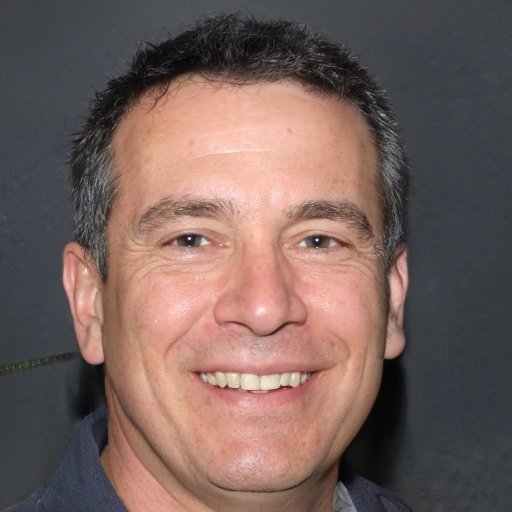
Dustin Conne is a highly respected industry veteran with over 20 years of hands-on experience in property recovery. As a licensed damage restoration expert, Dustin has built a reputation for technical precision and unwavering integrity, ensuring every project meets the highest safety standards.
𝗣𝗿𝗼𝗳𝗲𝘀𝘀𝗶𝗼𝗻𝗮𝗹 𝗘𝘅𝗽𝗲𝗿𝘁𝗶𝘀𝗲:
Dustin specializes in complex recovery scenarios, utilizing advanced thermal imaging and moisture mapping to protect property value and structural health.
𝗖𝗲𝗿𝘁𝗶𝗳𝗶𝗰𝗮𝘁𝗶𝗼𝗻𝘀:
He holds multiple elite IICRC credentials, including Water Damage Restoration (WRT), Mold Remediation, Applied Structural Drying (ASD), Odor Control, and Fire and Smoke Restoration.
𝗙𝗮𝘃𝗼𝗿𝗶𝘁𝗲 𝗣𝗮𝘀𝘁𝗶𝗺𝗲:
When he isn’t on-site, Dustin enjoys mountain biking and woodworking, passions that mirror his professional dedication to precision and restoration.
𝗕𝗲𝘀𝘁 𝗣𝗮𝗿𝘁 𝗼𝗳 𝘁𝗵𝗲 𝗝𝗼𝗯:
Dustin finds the most fulfillment in restoring a sense of calm to homeowners during their most stressful moments, turning a disaster back into a home.