Tiawah, OK · Rogers County
Black Water Extraction (Category 3) in Tiawah, OKSeptic Tank Backup Cleanup & Storm Sewer Flood Water Removal
Black Water Extraction (Category 3) in Tiawah includes septic tank backup cleanup, storm sewer flood water removal and black water drying.
Answered 24/7
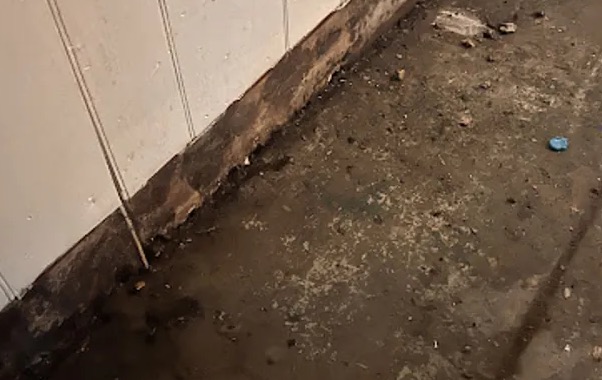
Black Water Extraction (Category 3) Response for Tiawah Residents
Category 3 water, often called black water, is water that carries sewage, bacteria or other serious contaminants. In Tiawah, it most often comes from sewer backups, septic overflows, toilet overflows and outside floodwater.
Homeowners in Tiawah can call (918) 496-6447 day or night when sewage backs up into the home. Service also covers Justice, Claremore and Gregory, with the same safety and cleanup steps.
Complete Black Water Extraction (Category 3) Protocols in Tiawah
Septic Tank Backup Cleanup
Septic water carries the same risks as sewage, so it gets the same protective gear, removal and disinfection steps.
Storm Sewer Flood Water Removal
After storm sewer flooding, mud and debris are cleared before floors and walls are cleaned, disinfected and dried.
Contaminated Carpet Water Extraction
Carpet and pad that absorbed sewage or floodwater cannot be safely cleaned. They are cut out, bagged and removed from the home.
Sewage Damage Report for Insurance
Photos, moisture readings, a list of removed materials and drying logs are compiled into a report for your insurance claim.
Black Water Drying
Air scrubbers filter the air during drying, which helps with odor and dust from removal work.
Signs of Black Water Contamination in Tiawah Homes
Sewer Line Backup in Home
Several drains gurgling or backing up at once usually means the main sewer line is blocked.
Basement Flood With Sewage
Basement water that smells like sewage or has debris in it is Category 3 and needs protective cleanup.
Wet Carpet With Visible Contamination
Carpet with brown staining, debris or a sewage smell has absorbed contaminated water and must be removed.
Storm Drain Water in Garage
Water that flowed into the garage from the street or storm drain carries soil and contaminants.
How Black Water Extraction (Category 3) Works in Tiawah
Step 1: Response and Inspection
Help is available any hour, and the source, type of water and affected rooms are recorded.
Step 2: Gross Water Removal Phase
Standing contaminated water is removed as quickly as possible to limit spread.
Step 3: Deep Clean and Decontamination
Surfaces are cleaned in order, from walls down to floors, then disinfected.
Step 4: Drying and Air Quality Check
Drying equipment and air scrubbers run until materials are dry and odors are gone.
Sources of Black Water in Tiawah Homes
Appliance Drain Line Leak
A blocked washer or dishwasher drain can push dirty water back onto the floor.
Severe Storm or Flooding
Heavy storms and flooding push contaminated surface water into basements and ground floors.
Toilet Clog or Malfunction
A clogged toilet overflows onto the floor and can soak through to the room below.
Sanitary Sewer Overflow
An overloaded municipal sewer can back up into homes during heavy rain.
Residential & Commercial Black Water Extraction (Category 3) in Tiawah, OK
Residential Black Water Extraction (Category 3)
A backup in a finished lower level can affect bedrooms, family rooms and storage. Each area is contained, cleaned and dried in order.
Commercial Black Water Extraction (Category 3)
Commercial buildings with shared sewer lines may see repeat backups. The cause is noted so the building owner can arrange line repairs.
Category 3 Cleanup: Why DIY Falls Short
Throwing away soaked rugs and bath mats is fine to do yourself with gloves. Larger cleanup, especially in crawl spaces or under flooring, should go to local black water extraction pros with the right protective gear.
Black Water Extraction (Category 3) Cost in Tiawah, OK
Crawl space access, after-hours calls and damage to the floor below all add to the total for black water extraction (category 3) in Tiawah.
Access Difficulty
Crawl spaces, tight utility rooms and finished areas make contaminated water harder to reach and remove.
Documentation Needs
Detailed documentation for insurance adds some time to the job but supports the claim.
Contaminated Material Disposal
Contaminated materials must be bagged and disposed of properly, which adds handling costs.
Does Insurance Cover Black Water Extraction (Category 3)?
Photos, a list of removed materials and drying logs from local black water extraction pros help support a sewage damage claim in Tiawah.
Why Choose Local Pros for Black Water Extraction (Category 3) in Tiawah
Material Salvage Assessment
The pros assess which belongings and materials can be cleaned and which must be discarded.
Detailed Damage Documentation
Photos, readings and removal lists are kept to support your insurance claim.
Storm Flood Response
Outside floodwater is treated as contaminated, with mud and debris removed before cleaning.
24/7 Emergency Black Water Extraction (Category 3) for Tiawah
Toilet or floor drain overflowing with sewage? Keep children and pets away and call (918) 496-6447 now for black water extraction (category 3) in Tiawah.
Call Now (918) 496-6447Black Water Extraction (Category 3) in Tiawah and Other Areas Served
The places below are also served, and each one has its own page.
- Black Water Extraction (Category 3) in Justice
- Black Water Extraction (Category 3) in Claremore
- Black Water Extraction (Category 3) in Gregory
- Black Water Extraction (Category 3) in Verdigris
- Black Water Extraction (Category 3) in Inola
- Black Water Extraction (Category 3) in Osage
- Black Water Extraction (Category 3) in Winchester
- Black Water Extraction (Category 3) in Avant
Black Water Extraction (Category 3) FAQs
Is sewage backup cleanup dangerous?
It can be. Sewage carries bacteria and viruses, so cleanup needs protective gear, containment and disinfection.
What happens during the black water drying process?
After contaminated materials are removed and surfaces disinfected, air movers, dehumidifiers and air scrubbers dry the structure.
Why is quick action critical for black water?
Contamination spreads into more materials over time, which increases what must be removed and the health risk.
What happens to removed contaminated materials?
They are bagged and disposed of according to local rules, and the removed items are listed for insurance.
What safety measures are used during extraction?
Protective gear, plastic containment, controlled air pressure and air scrubbers to keep contamination in the work area.